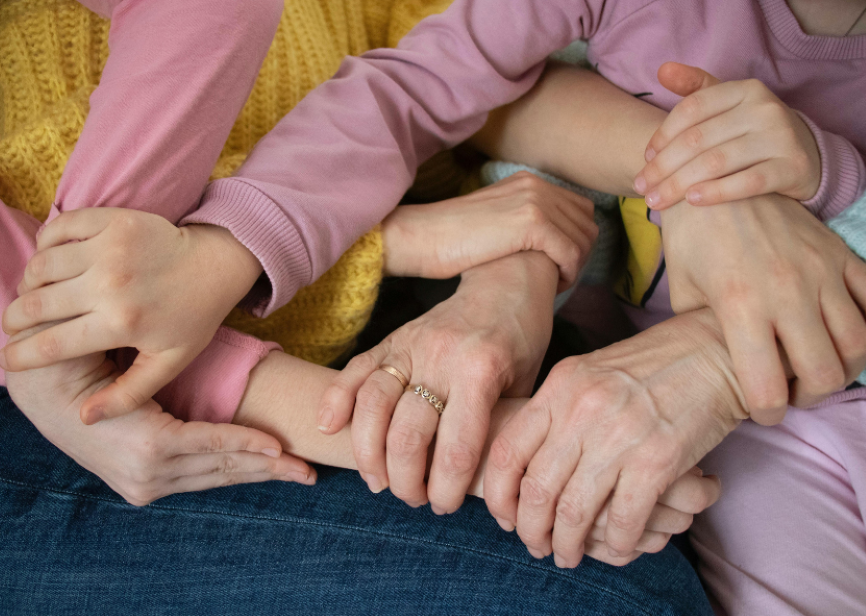
That's exactly the message that came through clearly in HIQA's latest inspection of our work here in Origins, carried out over three days in March 2026. Inspectors spoke with foster carers, link workers, social work team leaders, and children in care, and reviewed dozens of files, supervision records, and training trackers along the way. What they found was a service built around one central idea: carers who feel supported are carers who can offer children real stability.
Every foster family is paired with a dedicated link worker who becomes a consistent point of contact, visiting the home, offering guidance, and, according to several carers interviewed, becoming something close to family. Families also have the support of their own administrator to help manage the paperwork that comes with reviews, easing one more burden from carers already juggling a lot.
That support doesn't stop when the office closes. A 24/7 out-of-hours line means carers can reach someone anytime a concern comes up, and inspectors found that carers understood how and when to use it.
Supervision, too, was described as thorough rather than procedural, sessions that looked not only at case management and training needs, but at how carers themselves were coping. Where additional needs emerged, whether from a child's complex behaviour or a significant event, supervision and support were scaled up accordingly.
One detail stood out in the inspection: Origins' commitment to supporting foster carers' own children, not just the children placed with them. Biological children are consulted during the fostering assessment, kept informed as placements progress, and given direct access to link workers if they want to talk through their own experience of fostering. Carers told inspectors this attention to their family's wellbeing , not just their role as carers, made a real difference in how supported they felt overall.
Beyond one-to-one support, Origins works to give carers a sense of belonging to something bigger. Foster families are invited to family days, a yearly appreciation event, online support groups, coffee mornings, and summer meet-ups with other carers. Some have even taken part in information sessions and podcasts, sharing their experience with prospective foster carers considering the same path.
Inspectors linked this sense of community directly to better outcomes, carers who feel valued and connected are more likely to stay in the role, which means fewer placement breakdowns and more consistency for children who need it most.
Inspectors described a service where support for carers wasn't an afterthought but a structural priority, built into training calendars, supervision practices, staffing decisions, and the everyday work of link workers.
As one carer put it, no matter what you ask, you feel cared for.
That, in the end, is the point, carers who are genuinely supported have more capacity to offer children the warmth, patience, and stability that fostering asks of them.

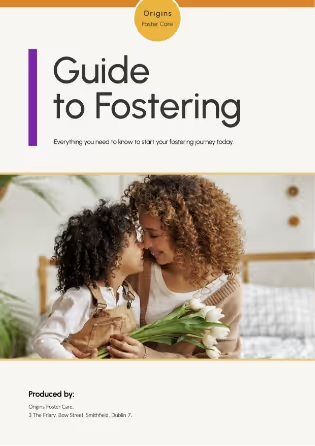
Reach out for any questions and enquiries. A member of our fostering team will get back to you as soon as possible.




.avif)


